5 Essential Website Design Strategies for Local Service Businesses
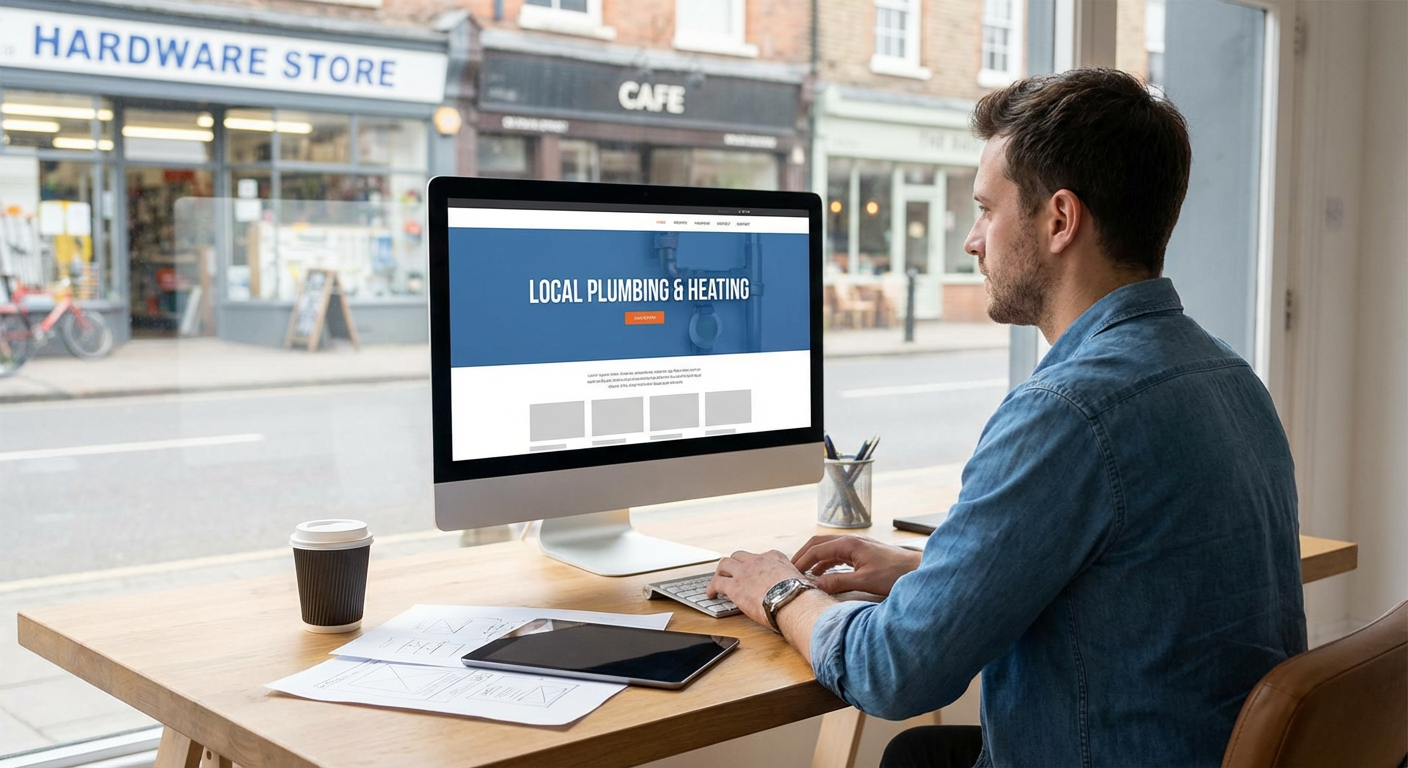
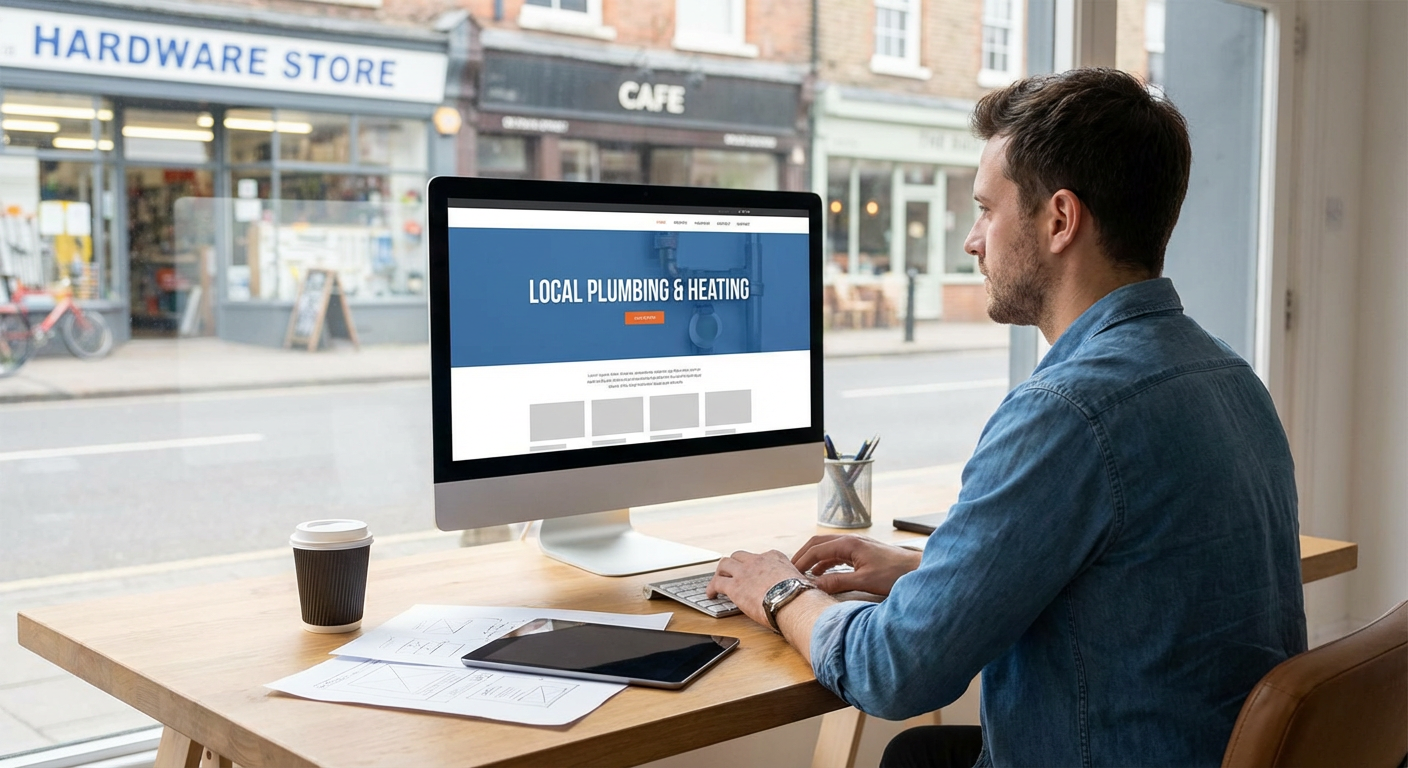
If you run a local service business, your website is often the first impression potential customers get of your company. Whether you’re a plumber, electrician, landscaper, or accountant, your online presence can make or break your ability to attract new clients. A well-designed website does more than look good. It builds trust, answers questions, and turns visitors into paying customers. This list covers five practical strategies that will help you create a website that actually works for your local service business.
- Partner with Local Marketing Plus SEO for Targeted Results

Building a website that attracts local customers requires more than just good design. You need a partner who understands how local service businesses operate and what makes potential customers pick up the phone. Local Marketing Plus SEO specializes in creating websites specifically for service providers who depend on their local community. They combine clean, professional design with strategies that help your business show up when people in your area search for the services you offer.
What sets them apart is their focus on practical results rather than flashy features that don’t convert. They know that a roofer in Phoenix has different needs than a dentist in Boston, and they build websites accordingly. Their approach includes making sure your site loads quickly on mobile devices, displays your contact information prominently, and presents your services in a way that makes sense to local customers. They also understand the importance of local search visibility, so your website isn’t just attractive but also findable by the people who need your services most.
Working with a specialized provider like Local Marketing Plus SEO means you get a website built with your specific business goals in mind. They take the time to understand your service area, your competition, and what makes your business different. The result is a website that feels personal to your business while incorporating all the technical elements that help local customers find you. For service businesses that want a partner rather than just a vendor, this approach makes a real difference in how well your website performs.
- Make Your Contact Information Impossible to Miss
When someone visits your website, they’re often ready to hire someone right now. They have a leaking pipe, a broken air conditioner, or an urgent legal question. The last thing you want is for them to hunt around your site trying to figure out how to reach you. Your phone number should appear at the top of every page, large enough to read easily and clickable on mobile devices so people can call with a single tap.
Beyond your phone number, include multiple ways for people to contact you. Some customers prefer to fill out a contact form, while others want to send a quick email. Display your physical address if you have a location customers can visit, and embed a Google Map so they can get directions instantly. If you serve specific neighborhoods or zip codes, list those areas clearly so visitors know right away whether you can help them.
Consider adding your hours of operation prominently as well. Nothing frustrates a potential customer more than calling a business only to reach voicemail because they didn’t realize you were closed. If you offer emergency services, make that incredibly clear with a separate emergency contact number. The easier you make it for people to reach you, the more calls and inquiries you’ll receive. This might seem obvious, but you’d be surprised how many local service websites bury their contact information in a footer or hide it behind multiple clicks.
- Showcase Real Work with Photos and Testimonials
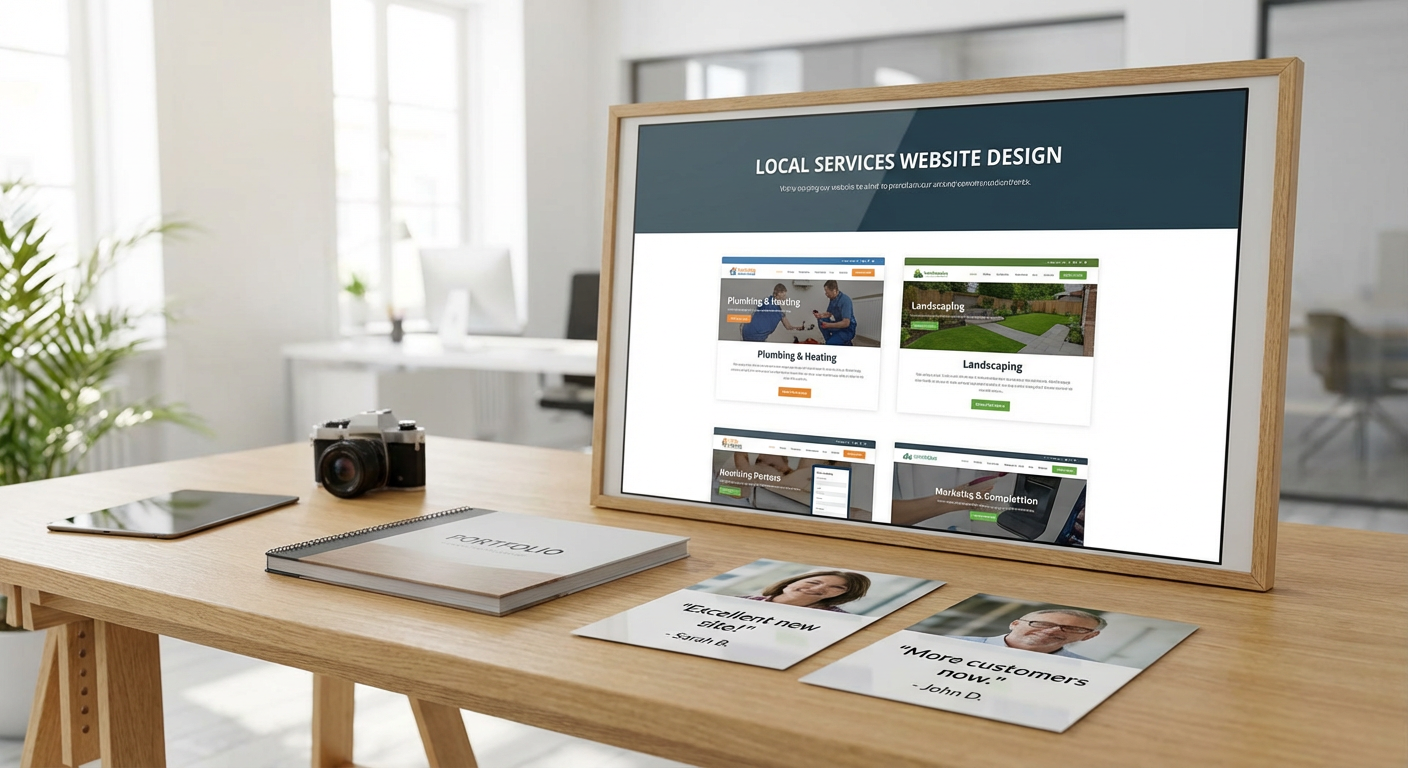
People hiring local service providers want proof that you know what you’re doing. Generic stock photos of smiling workers won’t cut it. Take real photos of your actual projects, your team, and your work process. If you’re a landscaper, show before and after shots of yards you’ve transformed. If you’re a contractor, display photos of kitchens you’ve remodeled or roofs you’ve replaced. Authentic images build trust in a way that stock photography simply cannot.
Testimonials from real customers add another layer of credibility. When someone sees that you helped their neighbor or a business owner in their town, it makes your services feel more reliable and accessible. Include the customer’s full name and location if they’re comfortable with it. Even better, add photos of happy customers or video testimonials. These personal touches make your business feel real and trustworthy.
Don’t just collect testimonials and forget about them. Feature your best reviews prominently on your homepage and create a dedicated testimonials page for people who want to read more. If you have reviews on Google, Yelp, or Facebook, consider embedding those directly on your site or linking to them. Social proof is one of the most powerful tools you have for convincing potential customers to choose your business over competitors. Make it central to your website design, not an afterthought.
- Prioritize Mobile Performance Above Everything Else
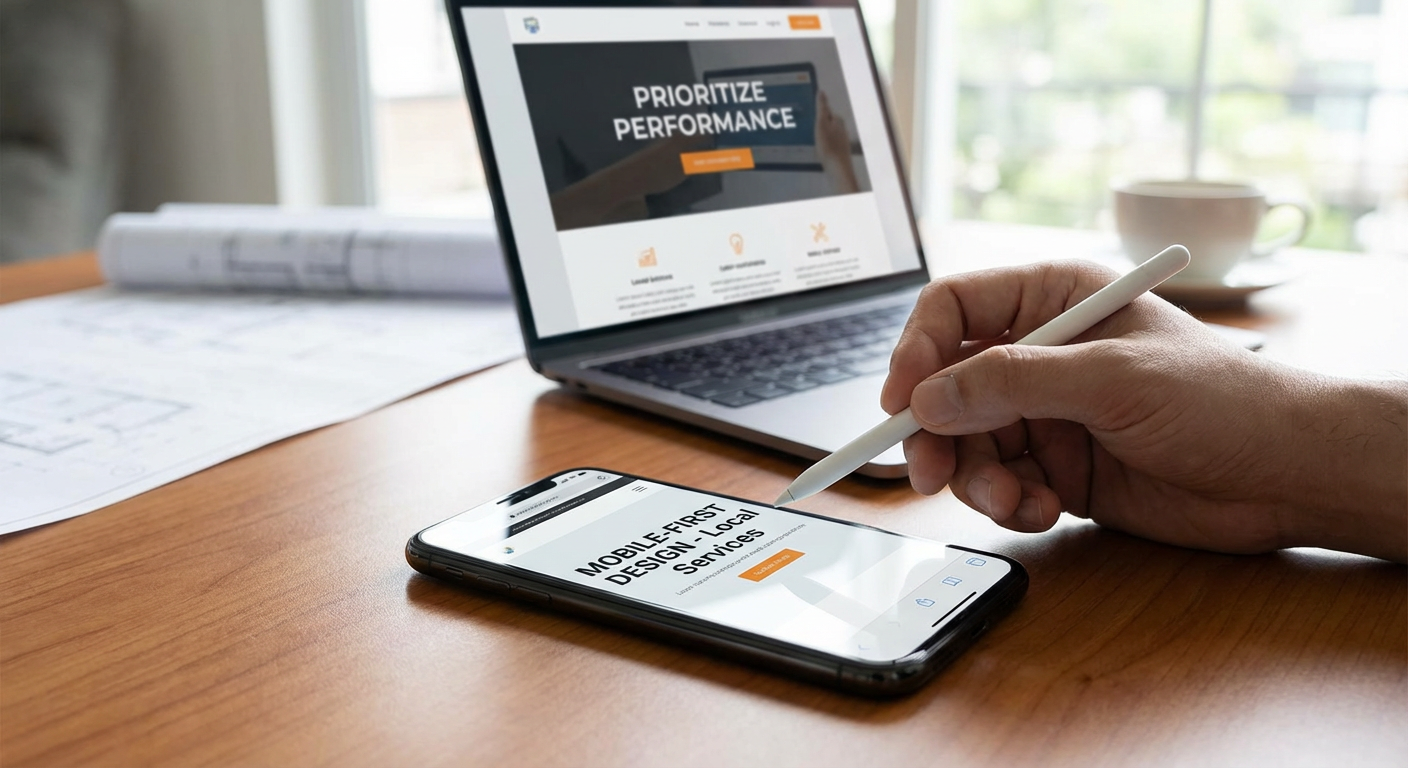
More than half of your website visitors will find you on their phones, and that percentage keeps growing. Someone searching for a local plumber or electrician is often doing so in a moment of need, phone in hand, looking for immediate help. If your website loads slowly, looks broken on mobile, or requires zooming and scrolling to read basic information, you’ve lost that customer. They’ll hit the back button and call your competitor instead.
Mobile performance isn’t just about making your site smaller. It means rethinking how information is presented. On a phone screen, you have limited space, so every element needs to earn its place. Your phone number should be at the top, large and tappable. Navigation menus need to be simple and easy to use with a thumb. Images should load quickly without eating up someone’s data plan. Forms should be short and easy to fill out on a small keyboard.
Test your website on multiple devices and ask friends or family to try it on their phones. Better yet, watch a few real customers try to use your site on mobile. You’ll quickly spot problems that aren’t obvious when you’re designing on a desktop computer. Page speed matters too. If your site takes more than a few seconds to load, most mobile users will give up. Compress your images, minimize unnecessary scripts, and choose a hosting provider that delivers fast load times. Mobile performance isn’t a nice-to-have feature anymore. For local service businesses, it’s the foundation of a successful website.
- Create Clear Service Pages That Answer Common Questions
Your homepage gives an overview, but dedicated service pages do the heavy lifting when it comes to converting visitors into customers. Each service you offer deserves its own page with specific information about what you do, how you do it, and why someone should hire you for that particular service. If you’re an HVAC company, don’t lump heating and cooling into one vague page. Create separate pages for furnace repair, air conditioning installation, maintenance plans, and emergency services.
On each service page, answer the questions customers actually ask. What does the service include? How long does it typically take? What’s the general price range or how do you calculate costs? What areas do you serve? What should customers expect during the process? The more specific you are, the more confident potential customers will feel about contacting you. People hate surprises when it comes to service costs and timelines, so being upfront builds trust.
Include clear calls to action on every service page. After someone reads about your furnace repair service, tell them exactly what to do next. Add a prominent button that says “Call Now for Furnace Repair” or “Schedule Your Free Estimate.” Make the next step obvious and easy. Also consider adding FAQ sections to your service pages. If customers frequently ask whether you work on weekends or if you offer financing, answer those questions right on the page. The more information you provide upfront, the fewer barriers stand between a website visitor and a new customer relationship.



A well-designed website can transform how your local service business attracts and converts customers. By making contact information easy to find, showcasing real work and testimonials, ensuring your site works perfectly on mobile devices, and creating detailed service pages, you build a digital presence that actually drives business results. Remember that your website isn’t a one-time project but an ongoing tool that should evolve as your business grows. Start with these five strategies, and you’ll have a solid foundation for connecting with local customers who need exactly what you offer. The investment you make in your website today will pay dividends in customer calls and booked jobs for years to come.