


20 Online Reputation Management Tips That Actually Work
The Core Blueprint: 20 Proven Strategies
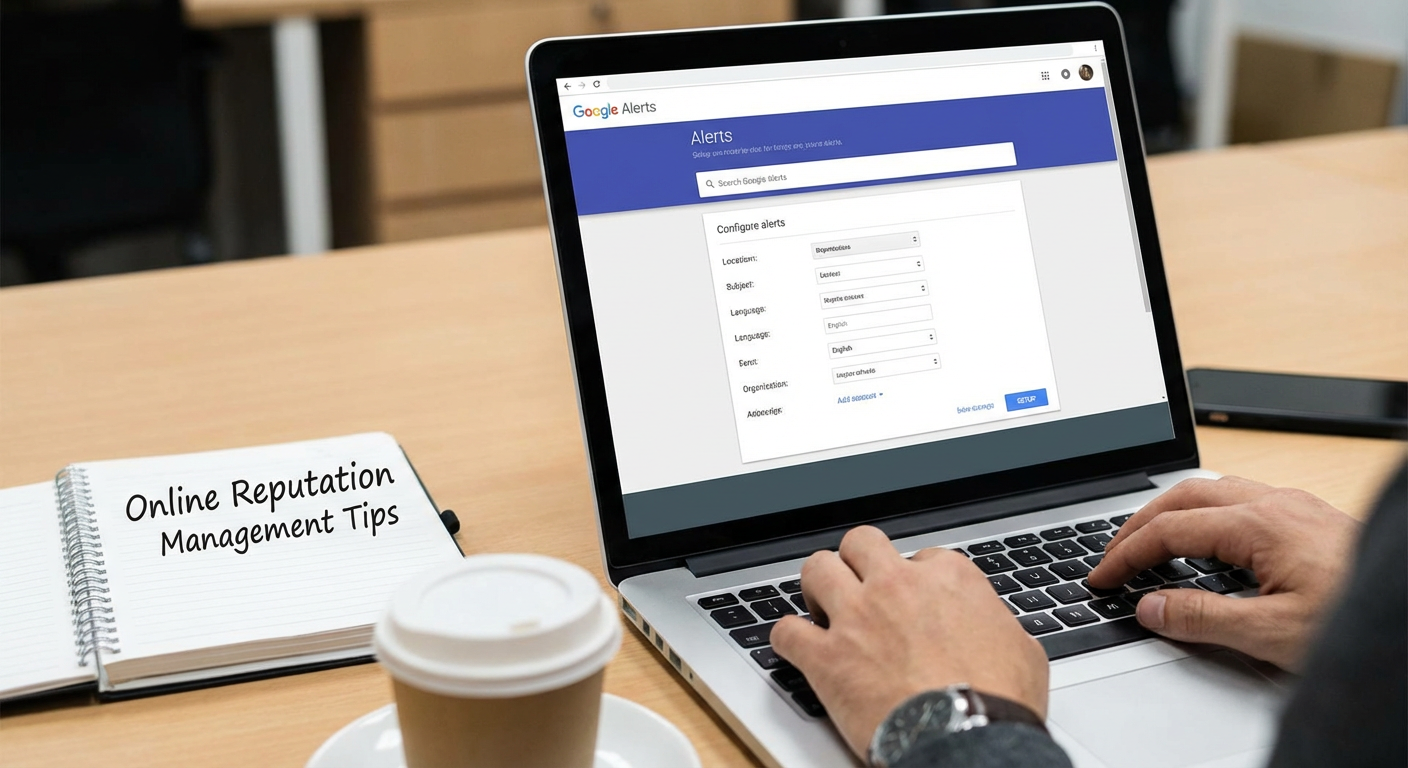
- Set Up Google Alerts for Your Name and Business Automate your brand intelligence. By configuring immediate notifications for your exact legal name, trade name, and common operational misspellings, you gain an early warning system. This low-friction proactive step lets you isolate and respond to digital mentions instantly before anomalous indexations scale across search result parameters.
- Claim and Complete Your Local Business Profile Unclaimed or partially configured profiles on Google Business Profile, Yelp, Facebook, and niche directories represent a major point of vulnerability. Competitors or malicious actors can suggest edits to alter your operational endpoints. Dedicate time to claim every possible profile node, populate comprehensive service attributes, and synchronize your foundational business identity metrics.
- Respond to Every Review—Good or Bad Treat your public feedback loop as a transparency showcase. When acknowledging highly positive reviews, frame responses with genuine appreciation to signal high client equity. For negative reviews, maintain absolute emotional neutrality. Acknowledge systemic procedural issues, display professional empathy, and pivot the resolution path to a secure, offline corporate channel.
- Create Fresh, Quality Content Regularly Modern indexing models prioritize active, authoritative content clusters. By publishing authoritative articles, industry insights, and case studies to your website, blog, or LinkedIn network, you establish a high-density footprint. Consistent publication naturally suppresses outdated, unverified, or negative third-party assets to lower pages of search results.
- Monitor Social Media Mentions and Tags Brand dialogue frequently bypasses your direct notification tags. Utilize advanced social listening search configurations across platforms like Instagram, Facebook, X, and LinkedIn. Identifying unlinked mentions allows you to engage with positive brand sentiment, neutralize structural misunderstandings early, and protect your digital footprint from sudden virality risks.
- Build an Authoritative Professional Website Your primary commercial domain must serve as the absolute single source of truth for your name or corporate brand. Ensure your digital architecture features exceptional technical performance, lightning-fast mobile loading speeds, a comprehensive “About” directory, transparent service catalogs, and compliant contact infrastructure to capture high-intent traffic.
- Ask Happy Customers for Reviews at the Strategic Moment Do not rely on passive feedback generation. Request reviews immediately following a successful project milestone or positive commercial transaction when customer satisfaction peaks. Provide simplified, low-friction entry paths—such as direct direct-link SMS alerts or scan-ready QR codes—to maximize submission conversion rates.
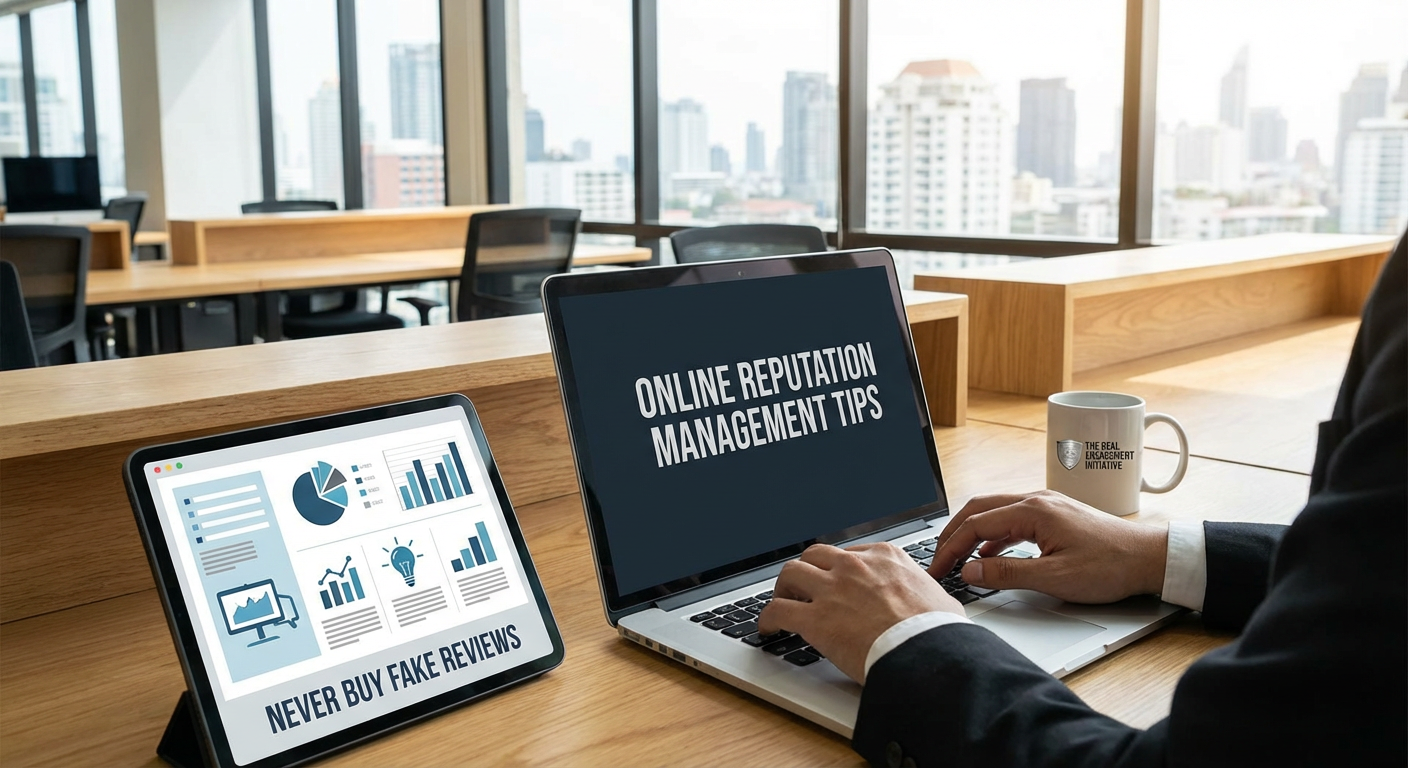
- Never Buy Fake Reviews or Engagement Artificial profile inflation is an existential risk to your commercial footprint. Modern algorithmic verification layers deploy sophisticated statistical anomaly detection to identify unnatural review velocity or suspicious IP groupings. Getting caught triggers harsh indexing penalties, permanent profile suspensions, and irreversible trust destruction among consumers.

- Address Negative Content Directly When Possible When identifying inaccurate or malicious third-party content, attempt private, high-integrity resolution pathways before escalating. A respectful, professional dialogue can resolve underlying operational friction. If the material represents a clear violation of platform rules, submit objective evidence to system administrators to secure a programmatic removal.
- Separate Your Personal and Professional Digital Lives Maintain rigorous architectural separation between your personal identity and your professional operation. Configure comprehensive privacy filters on casual personal channels to limit access exclusively to verified social circles. This protective barrier ensures your professional brand remains judged solely on your commercial standards and market outputs.
 Don’t wait for reviews to
 - Audit Your Existing Online Presence Quarterly Establish a strict recurring calendar alert every 90 days to evaluate your brand footprint. Methodically examine the first three pages of organic search engine results, global image indexes, and video platforms. Identifying outdated biographical data, broken links, or legacy media allows you to remediate inconsistencies before they degrade domain performance.
- Deploy Consistent, Professional Photography Your visual identity signals corporate authority instantly. Replace unoptimized selfies, cropped social group photos, or low-resolution files with crisp, professional head shots across all distribution nodes. Consistent, high-end visual assets create instant brand recognition and inject strong trust indicators into modern visual and multi modal search channels.

- Build Alliances with Industry Media and Journalists Earned media mentions provide exceptional brand equity. Connect authentically with sector-specific journalists, editors, and digital publishers. By acting as a vetted, high-value technical source or delivering deep guest commentary, you earn powerful, authoritative backlinks that solidify your position as a trusted market node.
- Document All Customer Transactions and Communications Rigorous record-keeping is your definitive defense against malicious digital attacks. Maintain chronological archives of executed agreements, scope modifications, transaction receipts, and digital communication logs. When confronted with inaccurate or defamatory digital claims, you can leverage hard factual evidence rather than emotional arguments to set the record straight.
- Train Your Team on Corporate Social Media Best Practices Your workforce represents an active extension of your brand ecosystem. Implement unambiguous corporate governance policies defining acceptable digital behavior regarding workplace activities. Train client-facing personnel to identify escalating complaints early, maintain strict professional protocols, and route high-risk incidents to senior management before they spark a reputation crisis.
- Showcase Vetted Customer Success Stories
Authentic client outcomes carry more persuasive weight than standard self-promotional marketing copy. Build deep, process-driven case studies and feature real, high-resolution video testimonials detailing exactly how your operation solves complex regional challenges.
-
Case Study Insight: Explore our comprehensive breakdown: “How we helped a Kelowna Plumber double their phone calls” to analyze our localized, real-world engagement frameworks in action.
-
- Maintain Active Presence on Platforms Where Your Target Audience Gathers Focus your corporate resources on channels that command your target audience’s attention. A business-to-business enterprise should prioritize high-value content strategy on LinkedIn, while a consumer-facing service trade will drive higher conversion metrics on Facebook and Instagram. Active presence ensures you capture localized search signals when and where they occur.
- Extract Actionable Operational Intelligence from Negative Feedback Not all negative reviews stem from malicious intent; many contain highly valuable operational data. Analyze critical feedback for recurring complaints or structural friction patterns. Use these indicators to refine your operations, improve training protocols, and upgrade service delivery. Demonstrating measurable operational evolution naturally repairs and hardens your marketplace reputation over time.
- Commit to Strategic Patience and Algorithmic Consistency Building a definitive digital reputation is a long-term corporate commitment. Lasting search visibility and market authority cannot be forced overnight through shortcut hacks. Maintain steady content creation velocities, execute consistent review acquisition strategies, optimize your local profile nodes, and prioritize authentic audience engagement to build compounded value.
- Partner with Local Marketing Plus SEO for Professional Management Help Managing an enterprise-grade digital reputation requires deep technical specialization and continuous architectural oversight. Local Marketing Plus SEO designs custom, high-authority review management systems, hyper-localized search optimization plans, and advanced entity-validation models tailored for elite service brands. Partnering with dedicated local marketing specialists protects your corporate footprint and ensures your business maintains dominant search positioning while you focus entirely on scaling your core operations.