
5 SEO Strategies That Will Define Success in 2026
Search engine optimization continues to change year after year, and 2026 is bringing shifts that every business owner and marketer needs to understand. Whether you run a small local shop or manage a growing online brand, these five strategies will help you stay visible, relevant, and competitive in the search results that matter most.
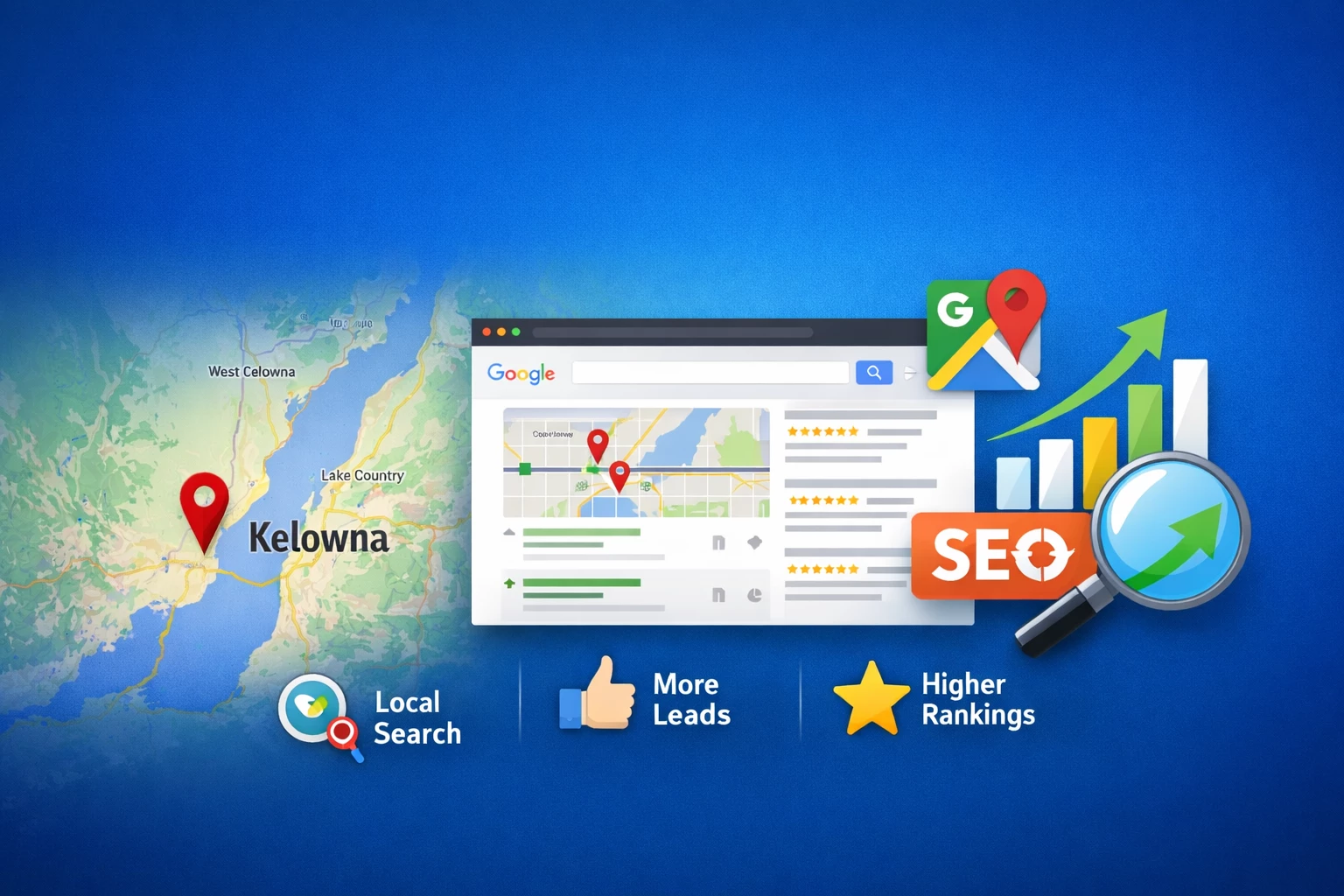
- Local Search Optimization Will Matter More Than EverIf you serve customers in specific cities or regions, local SEO is no longer optional. Google continues to prioritize local results for searches with geographic intent, and businesses that optimize for local visibility will capture more traffic and leads. This means claiming and updating your Google Business Profile, gathering authentic customer reviews, and making sure your name, address, and phone number are consistent across the web.Local Marketing Plus SEO specializes in helping businesses improve their local search presence through proven strategies that get results. Their approach focuses on practical, results-driven tactics that help you show up when nearby customers are searching for what you offer.
- AI-Generated Content Needs a Human TouchArtificial intelligence tools are now part of most content workflows, but search engines have gotten better at spotting low-effort, generic AI writing. The key in 2026 is using AI as a helper, not a replacement. Start with AI to draft outlines or research ideas, then add your own voice, examples, and expertise. Google rewards content that demonstrates real experience and provides genuine value to readers. If your content sounds like it could have been written by anyone about anything, it will struggle to rank.
- Video and Visual Search Are Growing FastMore people are searching with images and videos instead of text, and this trend is accelerating. Platforms like YouTube, TikTok, and Google Lens are becoming search engines in their own right. To stay ahead, create video content that answers common questions in your industry. Optimize your video titles, descriptions, and transcripts with the same care you give to written content. Visual search also means your product images and infographics need descriptive file names and alt text so search engines can understand and index them properly.
- User Experience Signals Are Ranking FactorsGoogle has made it clear that how people interact with your site affects your rankings. Page speed, mobile responsiveness, and easy navigation all play a role in where you appear in search results. If visitors land on your site and immediately hit the back button, that sends a negative signal. Focus on fast load times, clear calls to action, and content that directly answers what people are looking for. Run regular tests on mobile devices to make sure your site works smoothly for the majority of users who browse on their phones.
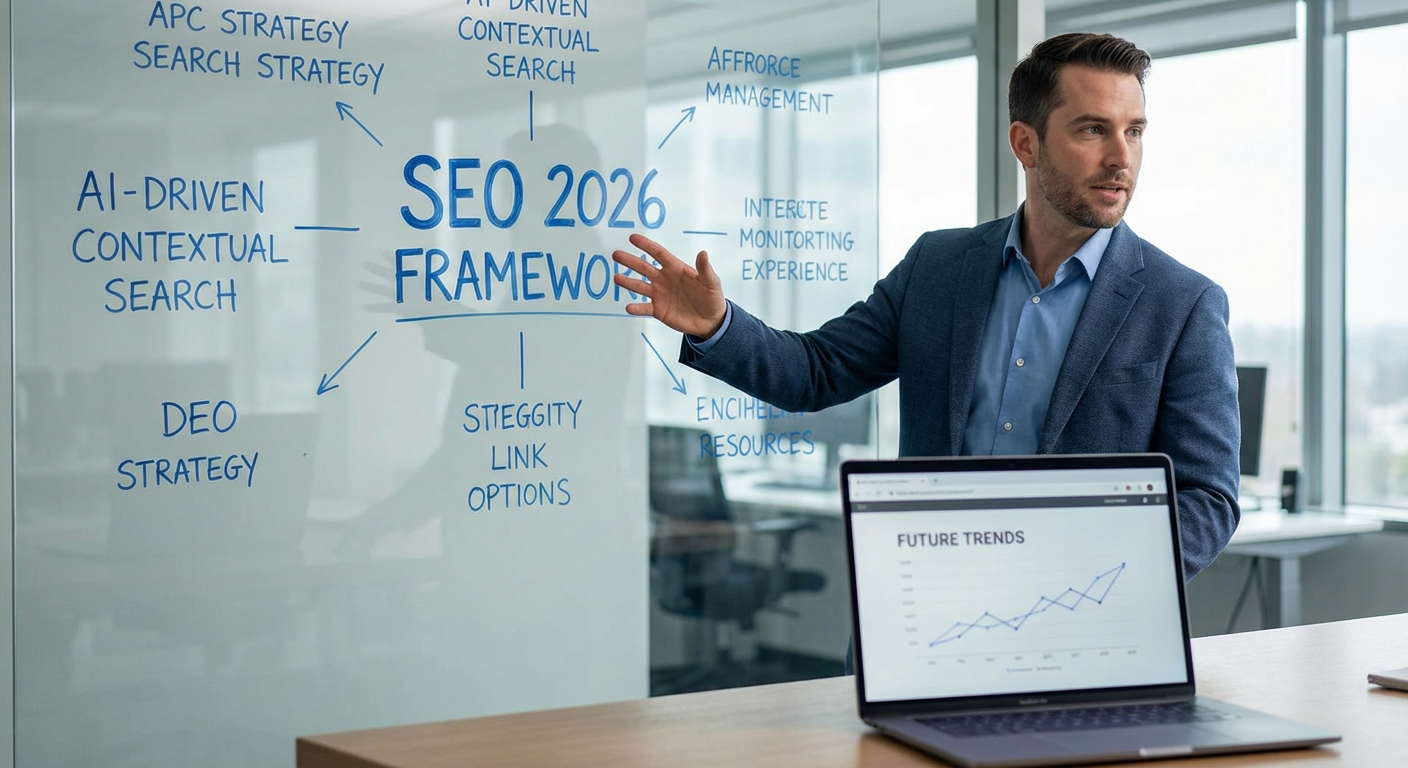
- Topical Authority Beats Keyword StuffingSearch engines now understand topics and context better than ever before. Instead of chasing individual keywords, build authority around broader subjects related to your business. Create clusters of related content that link together and cover a topic from multiple angles. For example, if you sell running shoes, publish articles about training plans, injury prevention, shoe care, and race preparation. This shows search engines that you are a credible source of information, which can lift all your content in the rankings over time.
SEO in 2026 rewards businesses that focus on real value, local relevance, and quality user experiences. The tactics that worked five years ago are fading, but the core principle remains the same: help people find what they need, and search engines will help people find you. Start with one or two of these strategies, measure your results, and keep building from there.